
Individuals who demonstrate expertise, reliability, and the ability to deliver results are often recognised as high performers.
Promotion into leadership can feel like the natural next step. Yet the transition from technical expert to leader is rarely straightforward.
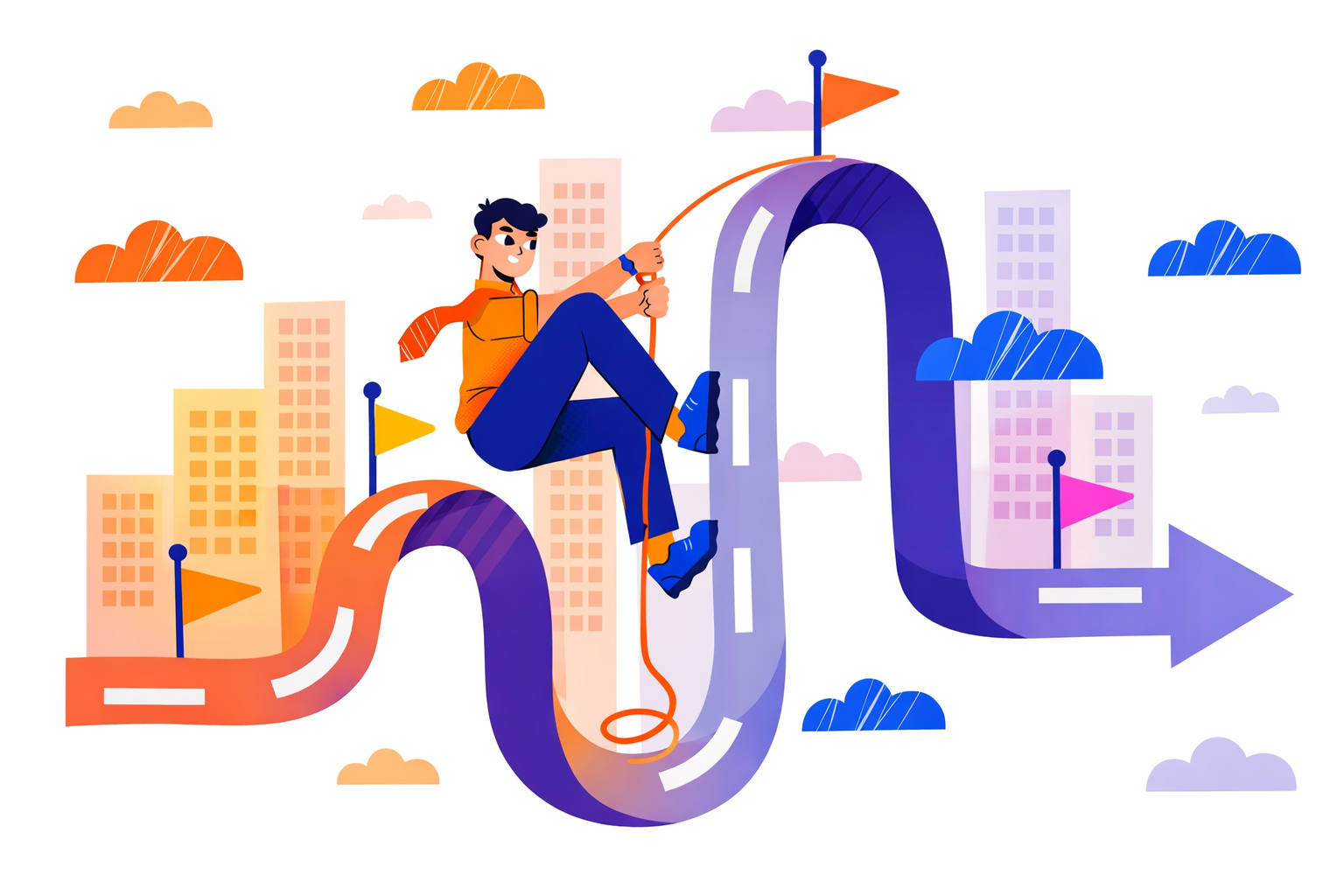
Many individuals who excel in their technical roles find the shift into leadership surprisingly difficult. This is not because they lack capability or commitment, but because the nature of the role changes in fundamental ways. Understanding this transition is important for both organisations and emerging leaders.
Success in Technical Roles Is Built on Different Skills
Technical experts typically succeed because of their depth of knowledge, problem-solving ability, and personal delivery. Their value to the organisation comes from their expertise and the quality of the work they produce.
Leadership, however, requires a different set of capabilities.
Rather than focusing primarily on their own work, leaders must focus on the work of others. Their impact becomes less about personal output and more about how effectively they enable the people around them.
This shift can feel unfamiliar.
New leaders often find themselves moving from being the person with the answers to being the person who asks the right questions, creates clarity, and supports others to succeed.
Letting Go of Technical Identity
One of the most challenging aspects of the transition is letting go of a strong technical identity.
For many individuals, their expertise has been the foundation of their professional confidence. It is what earned them recognition and credibility within the organisation.
When stepping into leadership, however, continuing to operate primarily as a technical expert can create tension.
New leaders may find themselves:
- Stepping in to solve problems rather than coaching others
- Becoming the “go-to expert” rather than enabling the team to develop capability
- Focusing on tasks rather than relationships
While these behaviours are understandable, they can limit the development of both the leader and their team.
Leadership requires a gradual shift from doing the work to enabling the work.


Relationships Become Central
Technical roles often emphasise accuracy, analysis, and problem solving.
Leadership, by contrast, relies heavily on relationships.
New leaders must learn how to:
- Build trust with their team
- Navigate different personalities and motivations
- Manage conflict and difficult conversations
- Communicate clearly and consistently
These relational aspects of leadership are not always taught during technical careers. As a result, emerging leaders may initially feel uncertain about how to approach them.
Developing emotional intelligence, empathy, and communication skills becomes increasingly important.
The Weight of Responsibility
Leadership also brings a different level of responsibility.
Technical experts are accountable for their own work. Leaders are responsible not only for outcomes but also for the performance, wellbeing, and development of others.
This can create a sense of pressure, particularly for individuals who care deeply about doing a good job.
New leaders may worry about making the right decisions, supporting their team effectively, and meeting organisational expectations.
Without the right support, this responsibility can feel overwhelming.


Supporting the Transition
Because the shift from technical expert to leader involves such a significant change in mindset and capability, organisations play an important role in supporting the transition.
Structured leadership development can help individuals:
- Develop greater self-awareness about their leadership style
- Understand the difference between technical and leadership roles
- Build confidence in leading others
- Practise new behaviours in a supportive environment
Coaching, feedback, and opportunities for reflection are particularly valuable during this stage.
Leadership capability rarely develops through information alone. It grows through experience, insight, and deliberate practice.
Looking Ahead
The transition from technical expert to leader is one of the most important moments in a leadership journey.
Handled well, it can unlock significant potential for both the individual and the organisation. Handled poorly, it can lead to frustration, disengagement, and underdeveloped leadership capability.
By recognising the challenges involved and supporting emerging leaders through this transition, organisations can build stronger leadership pipelines and create the conditions for future success.
Leadership does not replace technical expertise.
But it does require individuals to expand beyond it..