
Who will lead the organisation in the future?
And are we developing people early enough to be ready when the time comes?
Many organisations assume succession planning is about identifying a few high-potential individuals and preparing them for senior roles. In reality, building a strong leadership pipeline is far more than that. It requires a deliberate and ongoing approach to developing leadership capability across the organisation.
Without this, businesses risk leadership gaps, loss of knowledge, and disruption when key people move on.
Leadership Pipelines Start Earlier Than Most Organisations Think
A strong leadership pipeline does not begin at senior leadership level. It begins much earlier, often when individuals first step into roles where they influence others.
This is where leadership capability starts to form.
At this stage, individuals are often recognised as “high potential” because they deliver strong technical results. However, technical expertise does not automatically translate into leadership effectiveness. The skills that help someone succeed as an individual contributor are very different from those required to lead others.
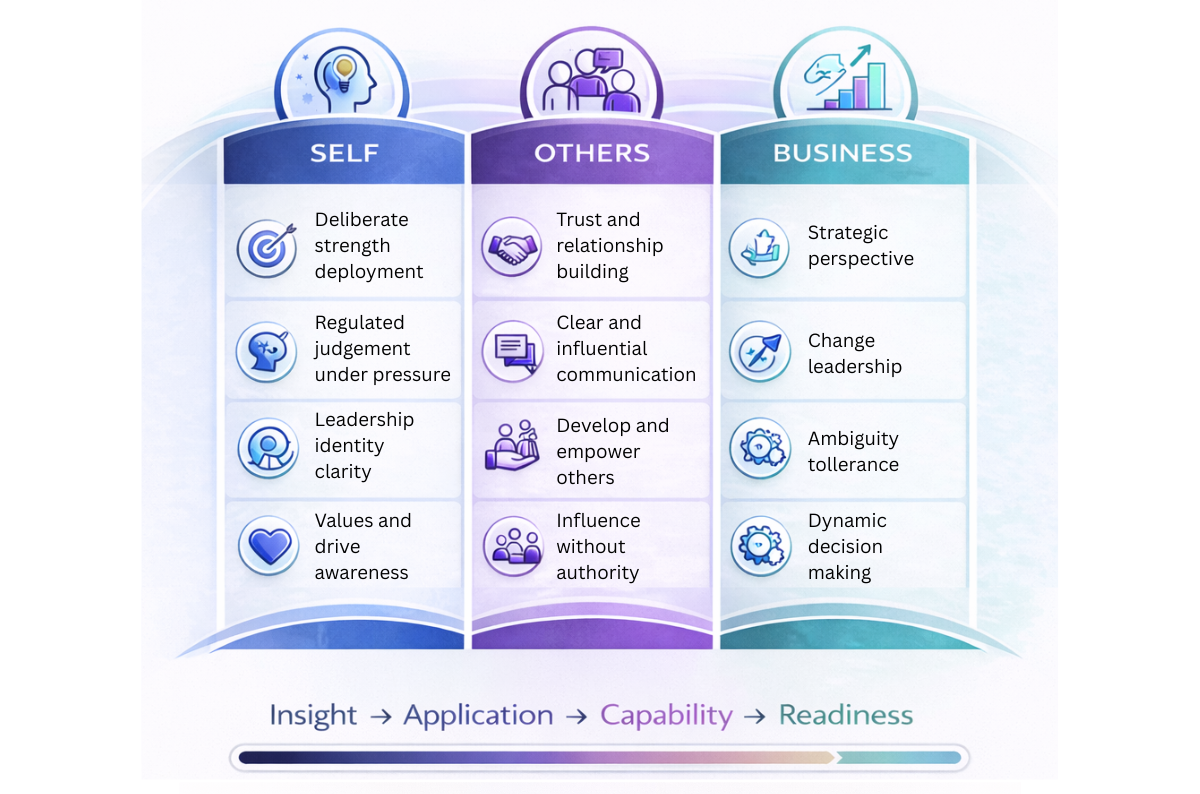
Emerging leaders need support to develop new capabilities such as:
Self-awareness and emotional intelligence
Building trust and strong working relationships
Influencing and communicating effectively
Navigating complexity and change
Thinking beyond their immediate role and understanding the wider business
If organisations wait until people are already in senior roles to develop these capabilities, it is often too late.
Development Should Be Structured, Not Accidental
Many leadership pipelines struggle because development happens informally.
People learn through experience, trial and error, and occasional training sessions. While experience is essential, relying on chance alone rarely produces consistent results.
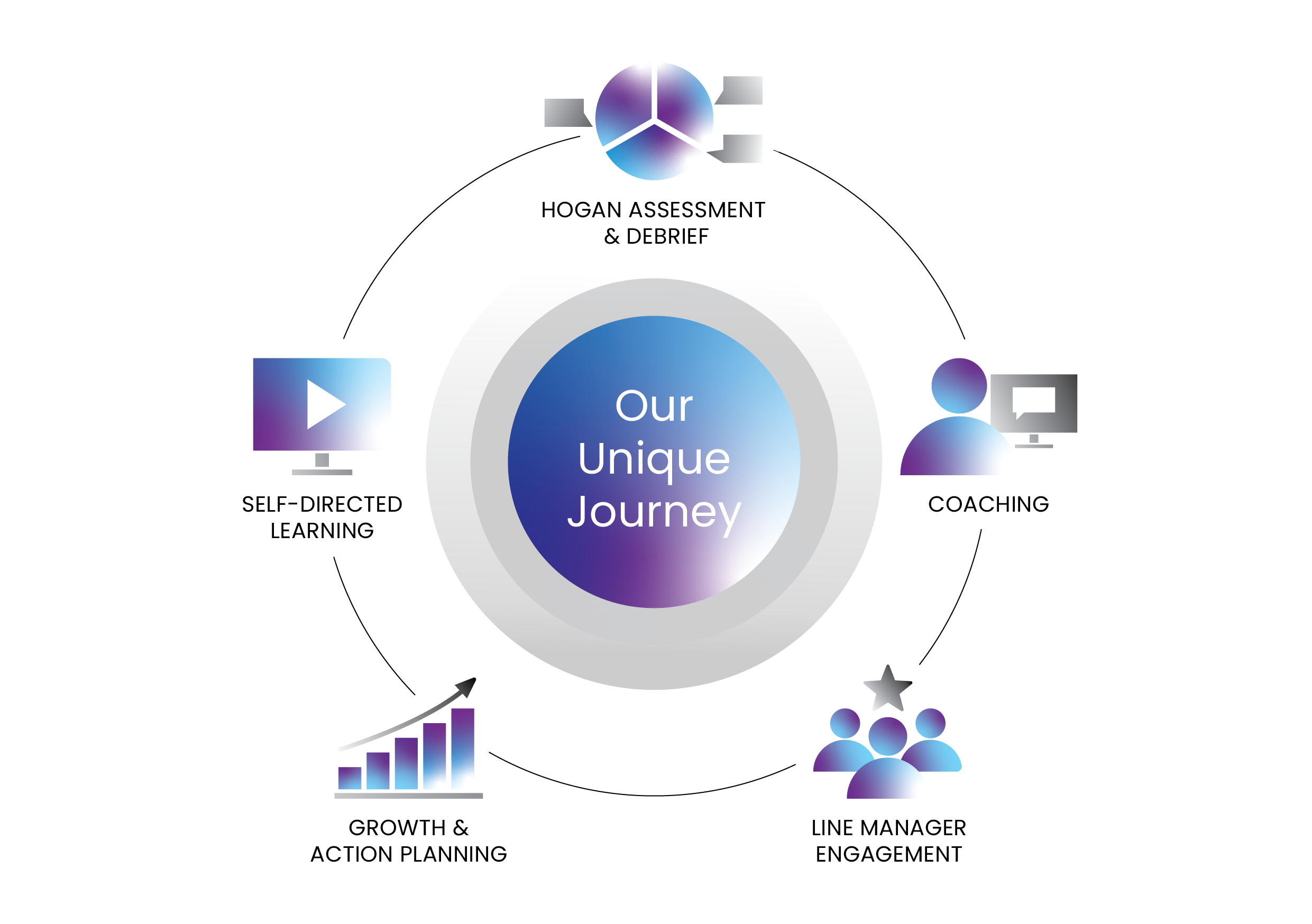
Organisations that build strong leadership pipelines typically provide structured development that combines several elements:
Self-awareness
Tools such as psychometric assessments help individuals understand their leadership style, strengths, and potential derailers under pressure.
Coaching and reflection
Leadership capability grows through reflection and dialogue, not just information. Coaching helps individuals translate insight into meaningful behavioural change.
Real-world application
Learning must connect to real work challenges so that new behaviours are tested and strengthened in practice.
Manager involvement
Line managers play a crucial role in supporting development and reinforcing learning in day-to-day work.
This combination helps emerging leaders develop the mindset and behaviours required for future roles.

Succession Planning Should Be Dynamic
Traditional succession planning often focuses on replacing specific roles. Organisations identify potential successors and record them in talent reviews or succession charts.
While this can be useful, it can also become static.
A more effective approach views succession planning as a continuous process of leadership development rather than a list of names against roles.
When organisations invest in developing a broad pool of capable leaders, they increase flexibility. Individuals become ready not only for one specific role, but for a range of future opportunities.
This approach also reduces risk. If one potential successor leaves the organisation, there are others who can step forward.
The Role of Culture in Leadership Pipelines
Perhaps the most overlooked factor in leadership pipelines is culture.
Organisations that successfully develop leaders tend to create environments where:
Feedback is encouraged and normalised
Learning from mistakes is supported
Curiosity and reflection are valued
Leaders invest time in developing others
In these environments, leadership capability grows organically alongside formal development.


Looking Ahead
Building a strong leadership pipeline is not something that can be achieved through a single programme or initiative.
It requires a sustained commitment to developing people, often years before they step into the roles organisations ultimately need them to fill.
When done well, the result is not only smoother succession planning. It also creates more confident leaders, stronger teams, and organisations that are better equipped to navigate change and complexity.
In today’s rapidly evolving business environment, developing future leaders is no longer a “nice to have”.
It is a strategic priority.