
Programmes are designed, workshops are delivered, and participants are introduced to new ideas about communication, influence and decision-making. Yet despite this effort, organisations often notice a familiar pattern.
The Gap Between Insight and Application
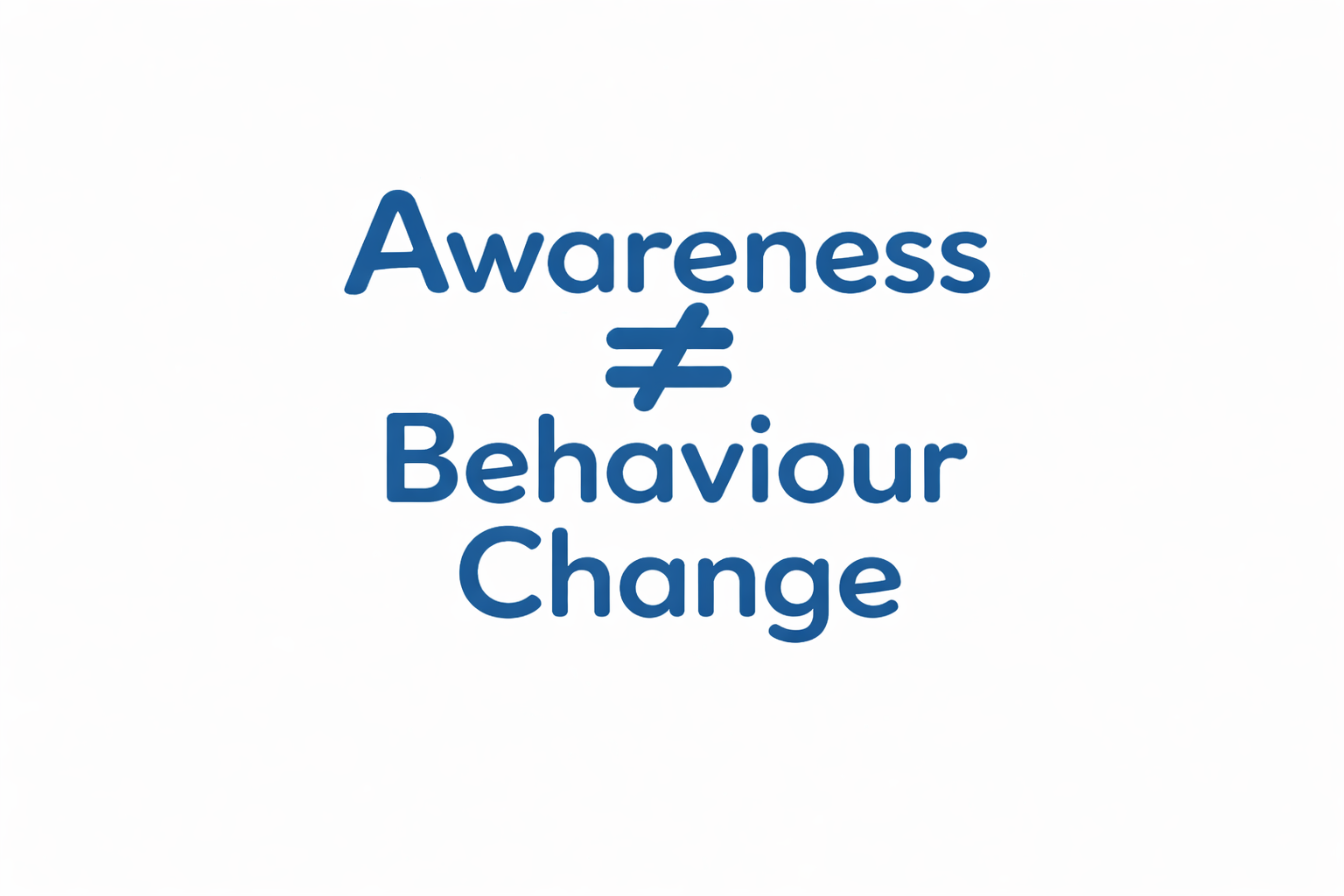
Workshops can be effective at increasing awareness.
Participants may gain insight into their leadership style, reflect on their strengths and identify areas they would like to develop. They may leave with a clearer understanding of what effective leadership looks like.
However, insight alone rarely leads to lasting change.
Once individuals return to their day-to-day roles, the pressures of work quickly reassert themselves. Meetings, deadlines and operational demands take priority. Without structured opportunities to apply what they have learned, new ideas can remain theoretical.
Over time, familiar habits tend to resurface.
This creates a gap between understanding leadership and being able to practise it consistently in real situations.
Why Behaviour Change Requires More Than Training
Leadership behaviour develops through experience.
It involves making decisions in uncertain situations, navigating relationships, influencing others and responding to challenges as they arise. These are not capabilities that can be fully developed in a classroom setting.
Behaviour change requires:
- Opportunities to experiment with new approaches
- Space to consider what worked and what did not
- Feedback from others
- Time to build confidence through repeated practice
Without these elements, learning remains disconnected from the realities of the role.
This is why even well-designed training programmes can struggle to create lasting impact when they are not reinforced over time.


Embedding Learning Into Everyday Work
Leadership development becomes far more effective when it is integrated into day-to-day work.
Rather than relying on a single event, development is spread over time and connected to real challenges individuals are facing.
This might involve:
- Applying new approaches in meetings or conversations
- Reflecting on how decisions were made and received
- Seeking feedback from colleagues or line managers
- Experimenting with different ways of influencing or communicating
Even small moments of reflection can make a meaningful difference.
After a key interaction, leaders might ask:
- What worked well?
- What did I notice about how others responded?
- What might I try differently next time?
These simple questions help individuals build awareness and gradually strengthen their leadership capability.
Supporting Behaviour Change Over Time
Sustained development requires structure.
When organisations provide ongoing support — such as coaching, regular check-ins, or opportunities for reflection — individuals are more likely to translate learning into behaviour.
Over time, this creates a different experience of development.
Leadership is no longer something individuals “attend”. Instead, it becomes part of how they approach their role every day.
As individuals test ideas, learn from experience and refine their approach, new behaviours begin to feel more natural.
Confidence grows. Judgement develops. Leadership capability strengthens.


Moving From Training to Development
The most effective organisations understand that leadership development does not sit apart from the day-to-day demands of work.
While workshops and frameworks can introduce useful ideas, meaningful change happens when those ideas are applied in real situations, reflected on and gradually refined.
As individuals begin to test new approaches, learn from experience and adapt their behaviour, leadership capability develops in a way that feels relevant and sustainable.
In this way, development moves beyond theory and becomes part of how people lead, communicate and make decisions in practice.